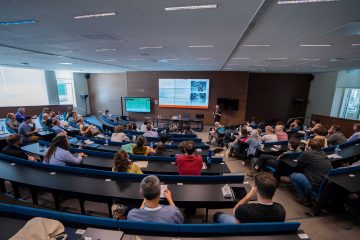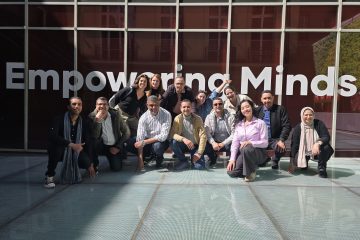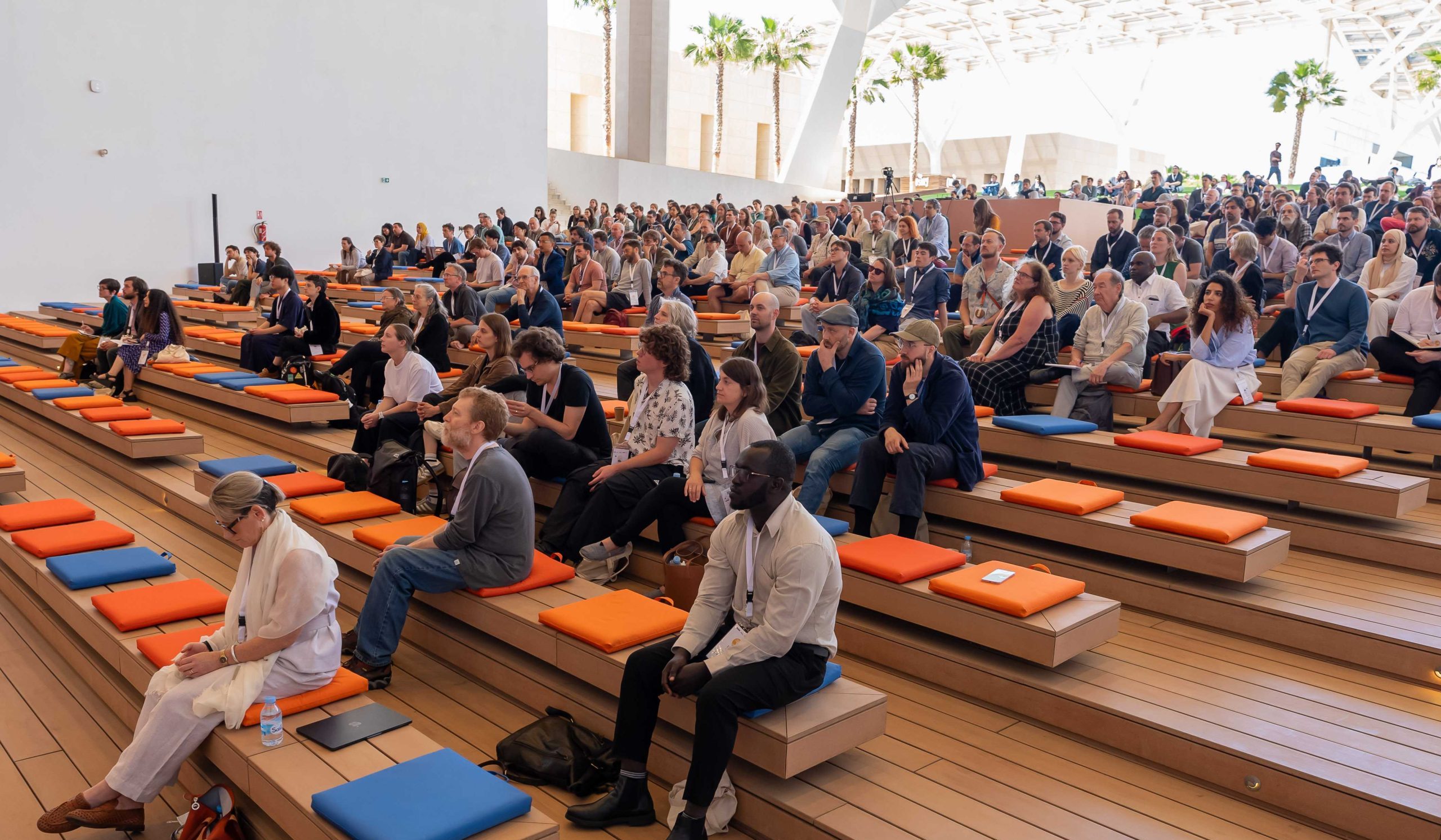
The 37th Annual Human Behavior and Evolution Society (HBES) Conference hosted at the Rabat campus has officially concluded, bringing four days of global academic exchange to a successful close. Co-organized by the Africa Institute for Research in Economics and Social Sciences (AIRESS) and the School of Collective Intelligence (SCI), the landmark event established a vibrant international forum for groundbreaking research in evolutionary science and human behavior.
The conference featured an extraordinary lineup of keynote addresses that redefined fundamental concepts in the field. UCLA’s Prof. Brooke Scelza opened the plenary track by re-examining traditional dichotomies in human mating systems, while CNRS researcher Prof. Hugo Mercier explored the evolutionary mechanisms behind reason and cultural transmission. Prof. Hanna Kokko from the University of Mainz presented insights into the evolutionary strategies of longevity, and UC San Diego’s Prof. Sara Lowes illustrated how cultural traits directly shape economic development. Grounding the gathering in regional context, Prof. Youssef Bokbot from INSAP Rabat presented significant archaeological findings on early technical innovations at Oued Beht, Morocco. The conference reached its peak with a powerful closing address by Cambridge University’s Prof. Simon Baron-Cohen, who examined the cognitive links between autism and human invention.
Beyond the mainstage lectures, the four-day schedule encompassed thematic tracks on digital behavior and cooperation, cross-cultural debates, dynamic poster sessions, and an evening networking reception. Exceptional organizational leadership from SCI professors Edmond Seabright and Sarah Alami ensured seamless coordination behind the scenes, leaving participants, faculty, and international delegates with a renewed commitment to global scientific collaboration.