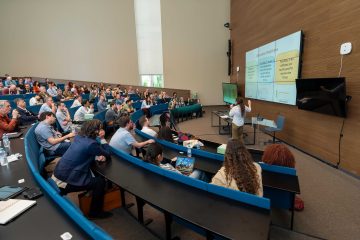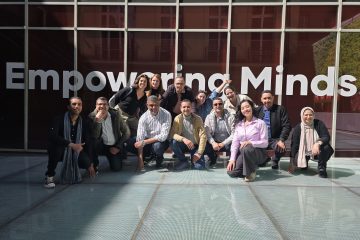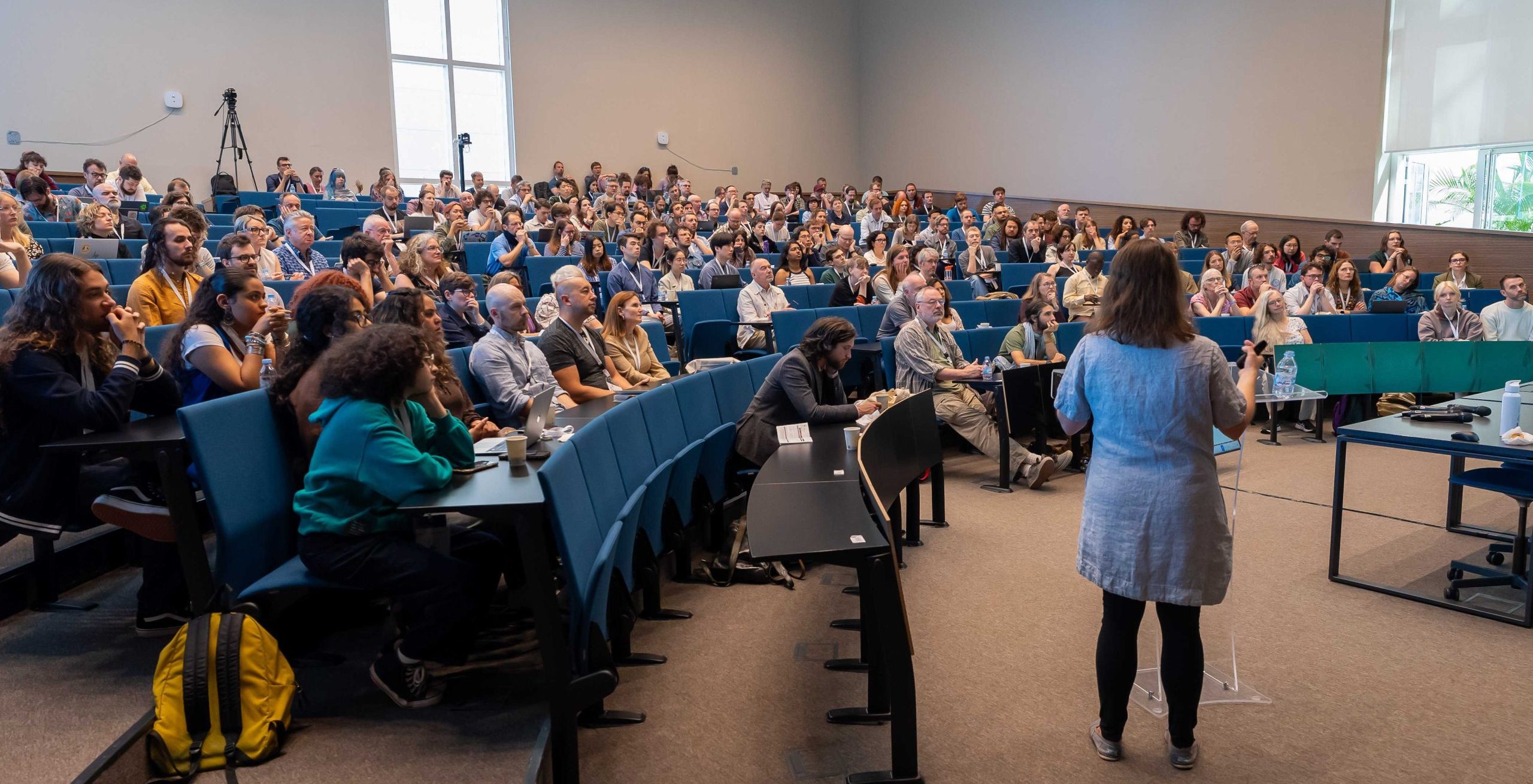
The Cultural Evolution Society (CES) 2026 conference hosted at the Rabat campus has concluded following several days of rich intellectual exchange. Co-organized by the Africa Institute for Research in Economics and Social Sciences (AIRESS) and the School of Collective Intelligence (SCI), the gathering brought together scholars from across the globe to explore the mechanics of culture, social change, and human behavior.
The conference featured keynotes that spanned cognitive science, sociology, and regional field studies. Stanford University’s Prof. Helena Miton opened the event by analyzing the cognitive and environmental constraints shaping cultural evolution, followed by Prof. Abdellatif Bencherifa from UIR, who delivered an in-depth examination of the socio-ecological transitions occurring in Morocco’s oasis and mountain ecosystems. Duke University’s Prof. Stephen Vaisey subsequently addressed the competing theoretical frameworks driving cultural studies today, while Prof. Michelle Kline from Brunel University demonstrated how cultural learning frameworks govern human reproduction and childrearing.
Building on this momentum, the campus immediately transitions into hosting the Human Behavior and Evolution Society (HBES) conference. Welcoming delegates from over 40 countries, the back-to-back gatherings position Rabat as a global focal point for collaborative research across evolutionary science and collective intelligence.